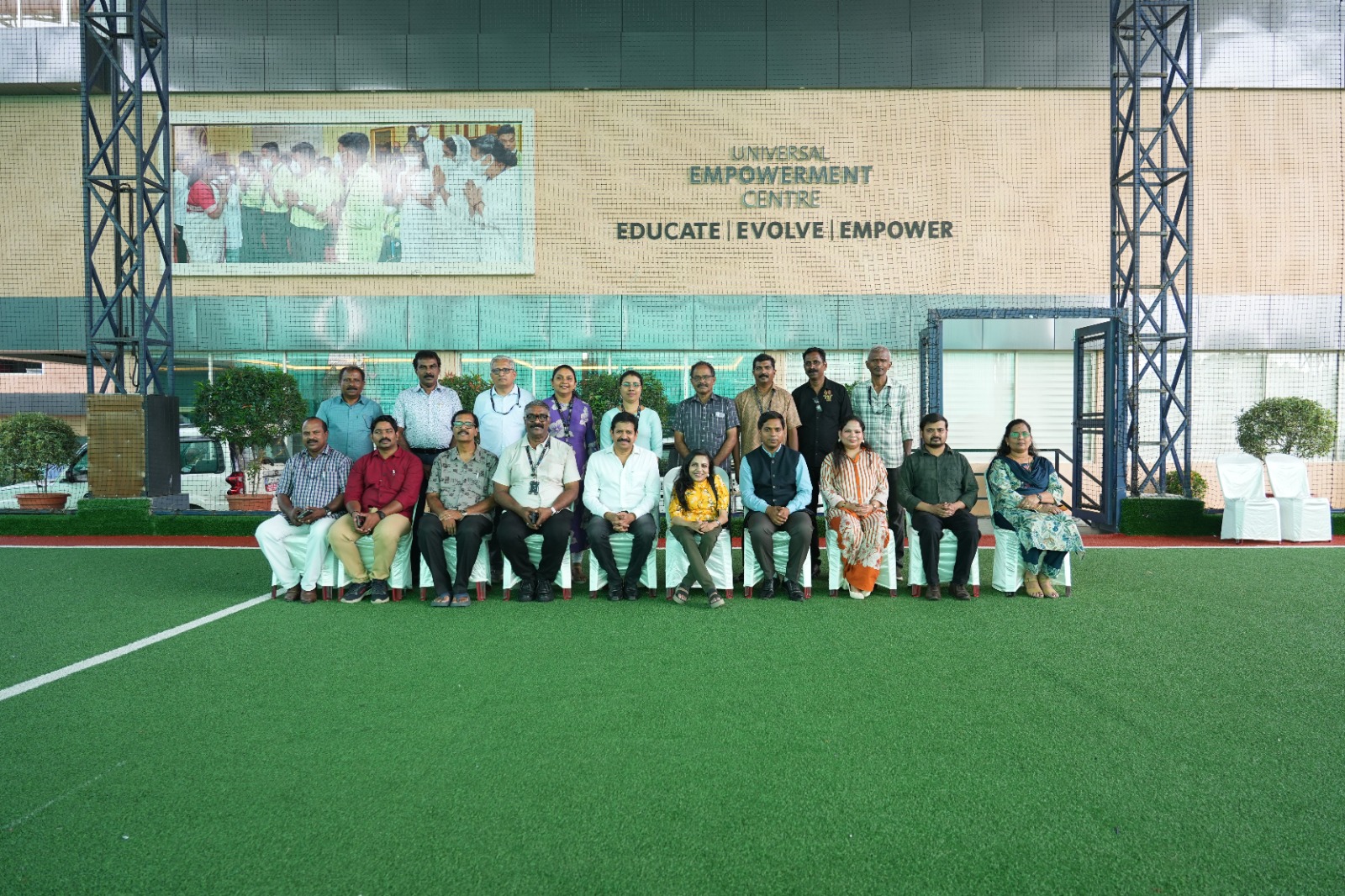
On February 27, 2026, the Different Art Centre (DAC) received a senior delegation from the Department of School Education and Literacy (DoSEL) within the Ministry of Education, Government of India, for a detailed visit focused on inclusive education under Samagra Shiksha. The visit formed part of the Ministry’s ongoing efforts to identify and examine best practices supporting children with special needs across the country.
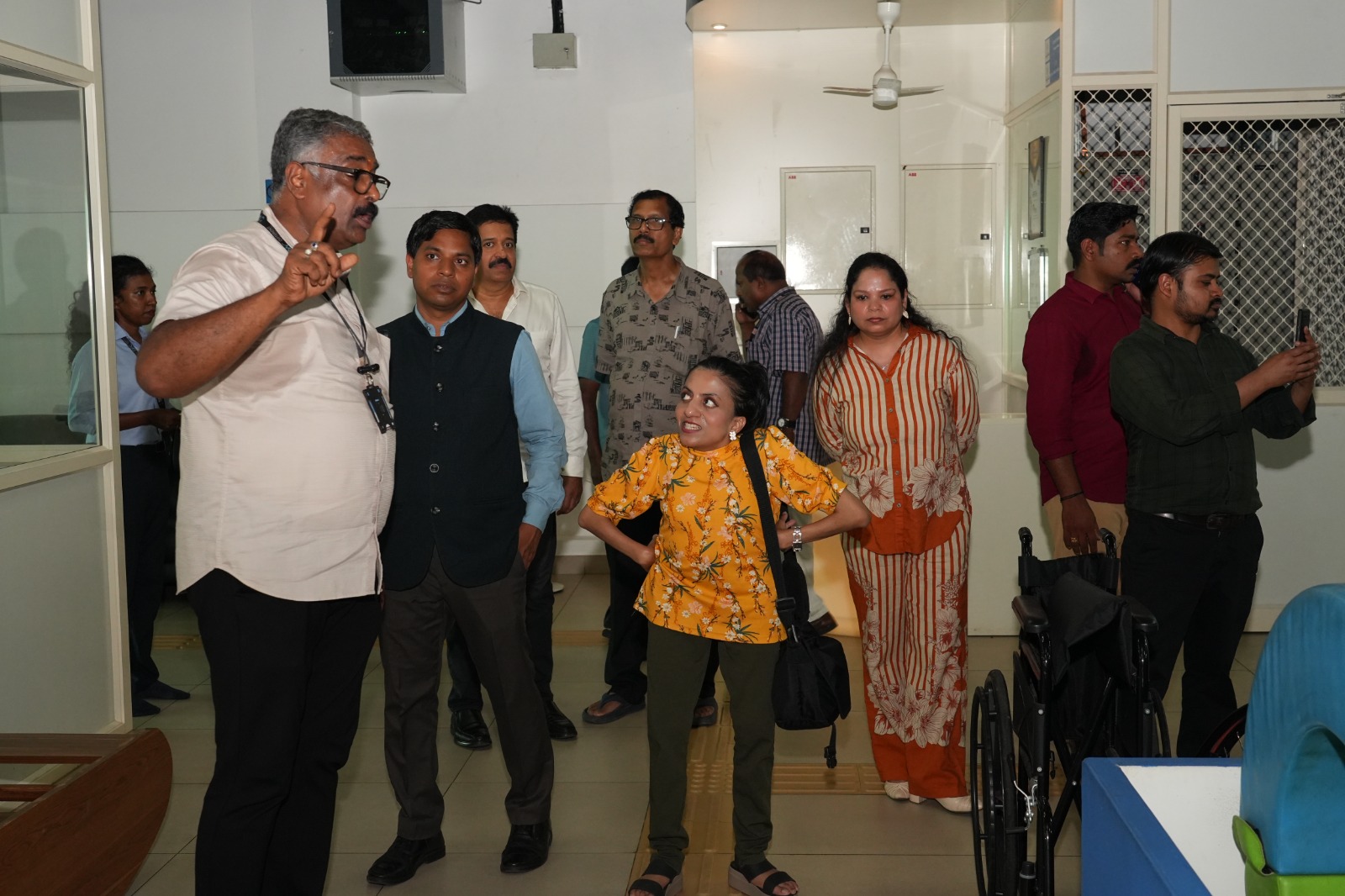
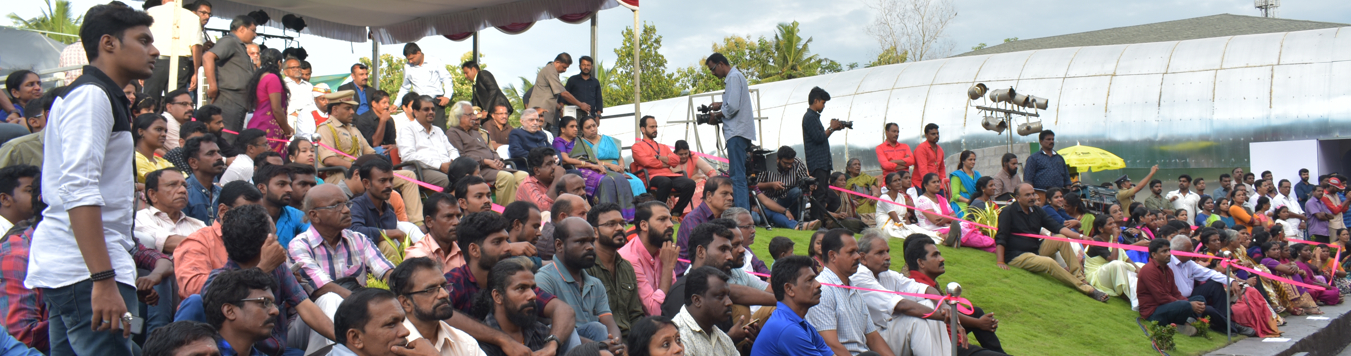
The delegation was led by Ira Singhal, Deputy Secretary, and included Shri Ram Singh, Joint Director, Ms Sonal Sankhla, Section Officer, and Shri Abdul Momin, Inclusive Education Consultant with TSG-Samagra Shiksha. They were welcomed at the gates of Magic Planet, where students of the Centre greeted them with a resonant chendamelam performance, the rhythmic percussion setting the tone for an afternoon devoted to inclusion not as aspiration but as lived practice.
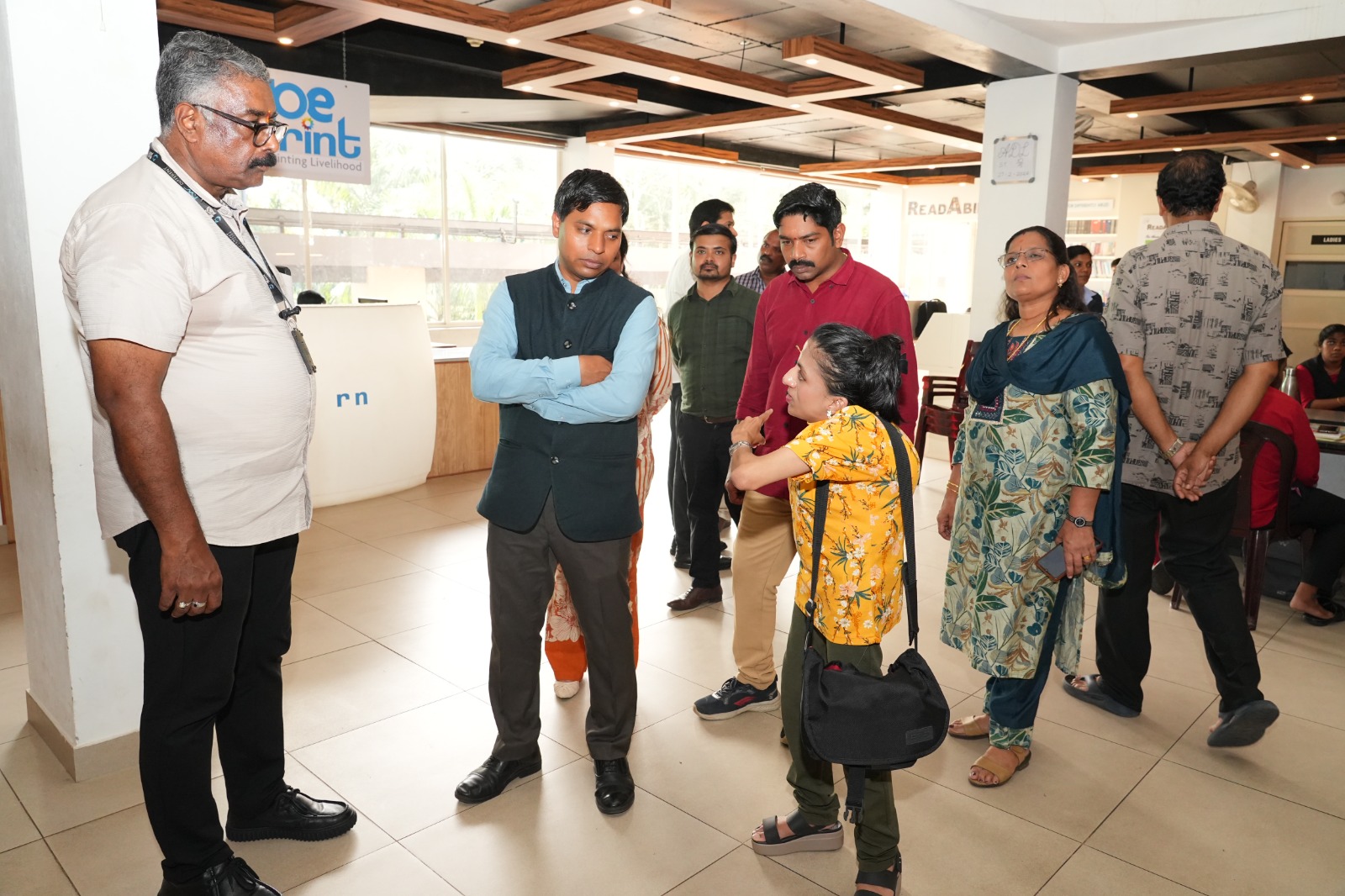
From there, the officials were guided through the “Inclusive India” exhibition, before proceeding to the Art Training Centre, where they spent time in conversation with trainers and students, observing first-hand the disciplined yet expressive work that underpins the Centre’s approach. What distinguishes DAC is not simply the provision of art instruction, but its deliberate weaving together of creative training, therapeutic support and community engagement into a coherent ecosystem of empowerment. The visit to the PRISM Therapy Unit underscored this integrated model, offering the delegation an opportunity to interact with therapists and beneficiaries and to understand how rehabilitative services are aligned with educational and creative development.
Talking to the DAC team, Ms Singhal described the Centre as “a truly inspiring and comprehensive model of inclusion and empowerment for children and young adults with special needs”. She observed that the integration of art, therapy and structured support under one roof demonstrated how inclusive education could move decisively beyond policy frameworks into meaningful, measurable practice. “This model should be replicated in every district of India,” she said, adding that she was keen to take the initiative forward as a robust framework for the empowerment of the differently abled across the state.
Her remarks signal a recognition, at senior levels of government, that inclusive education must extend beyond access to classrooms and towards environments in which dignity, skill and self-expression are actively cultivated. For DAC, the visit marks not merely a moment of institutional validation, but a potential inflection point in the wider conversation about how India might scale local innovation into systemic change.
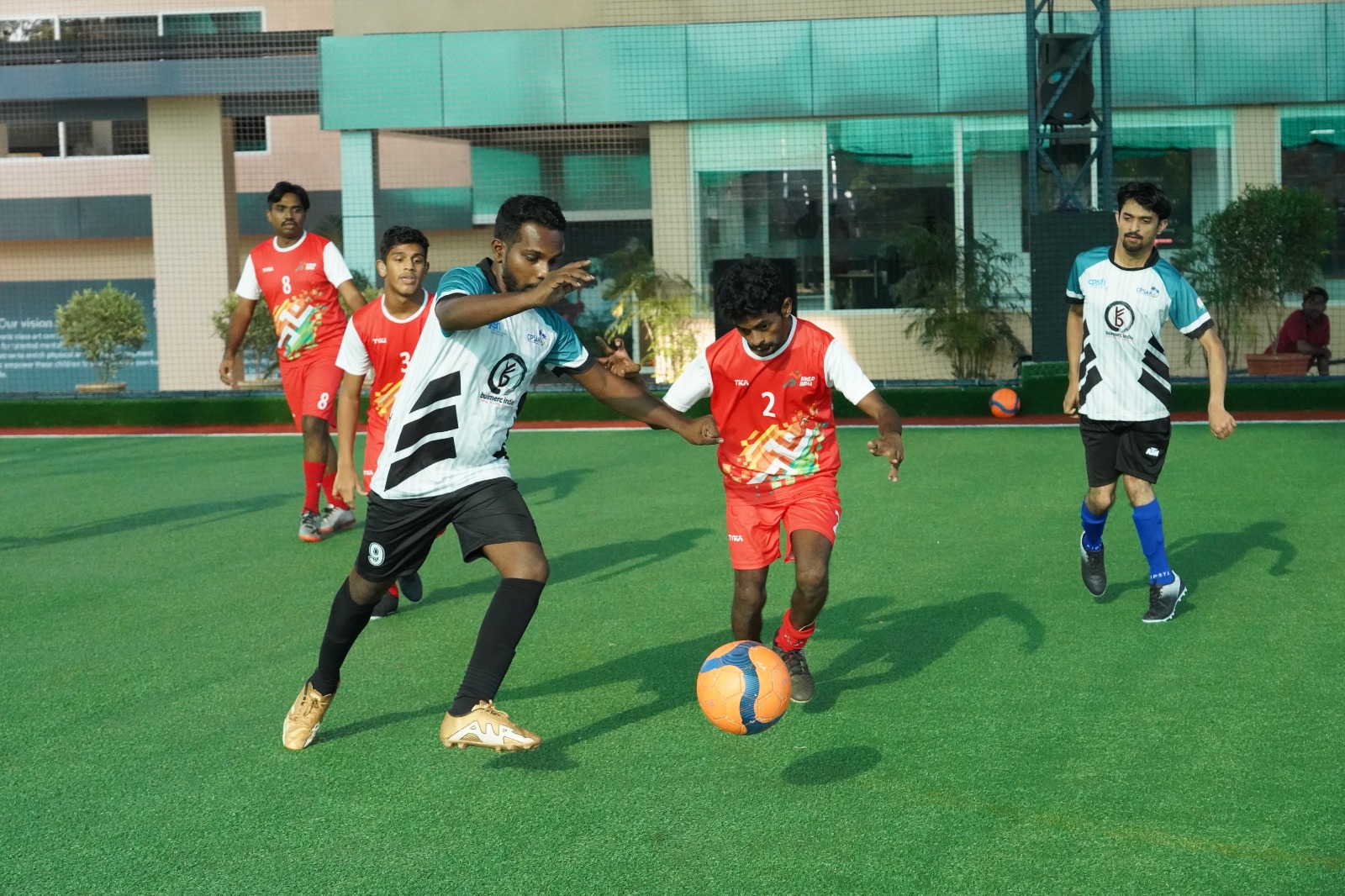
Different Art Centre has launched The Golden Goal project, aiming to empower differently-abled children through sports.
READ MORE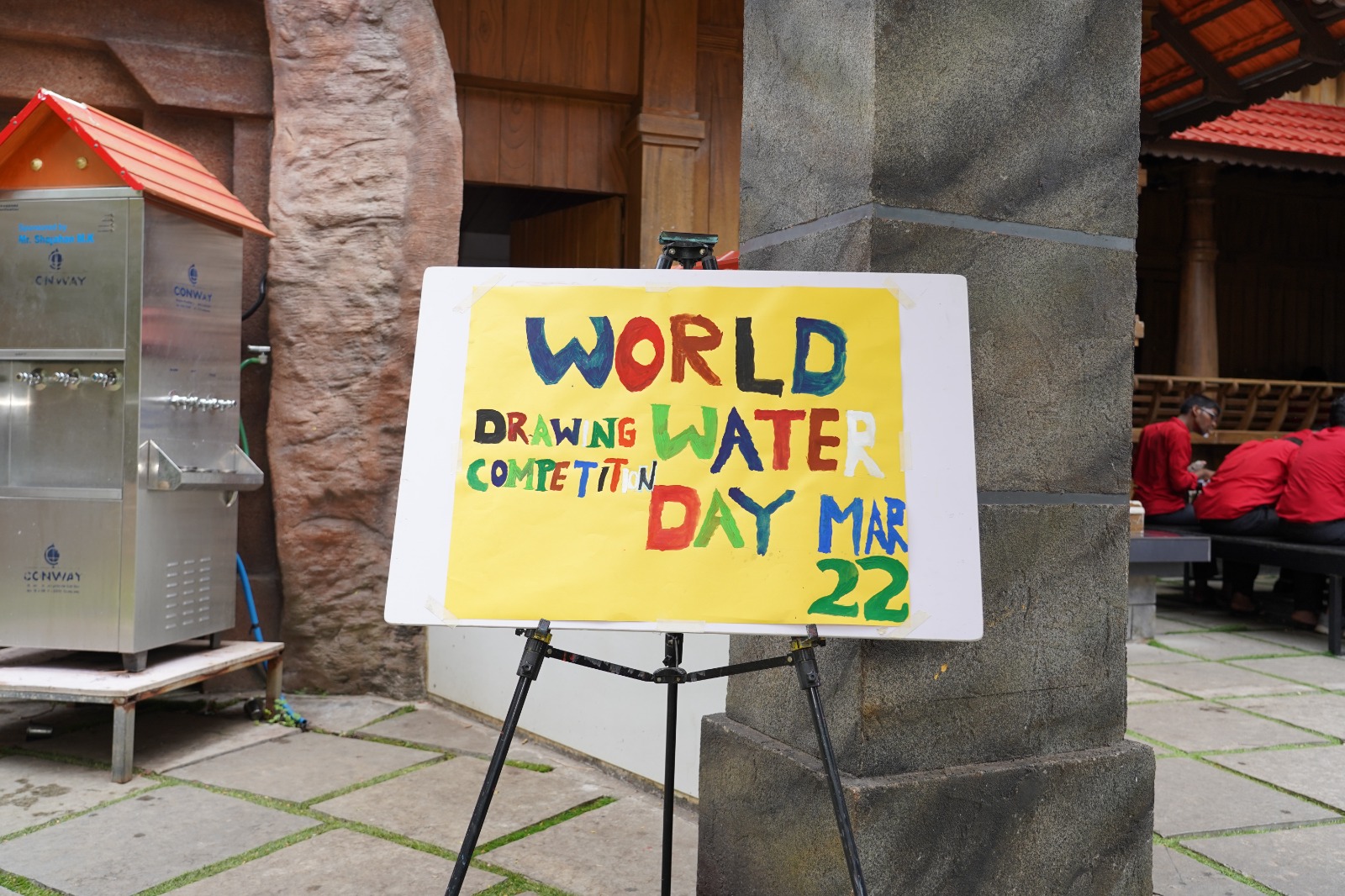
The World Water Day Celebration at Different Art Centre aims to draw people's attention toward the importance of water resources management and protection.
READ MORE