The full research paper can be downloaded free of charge. Click here to download.
A new study conducted by researchers at Different Art Centre in Thiruvananthapuram suggests that combining traditional rehabilitation therapies with opportunities in the performing arts can significantly reduce maladaptive behaviour among young people with intellectual disabilities. The findings offer compelling evidence that social opportunity, not merely clinical intervention, plays a crucial role in behavioural development and emotional wellbeing.
The research examined a 12-month intervention involving 120 participants aged between 14 and 20 who had been diagnosed with intellectual disability. Participants received conventional rehabilitation therapies including psychology, speech and language therapy, physiotherapy and behaviour modification. Alongside this, they were trained in a range of performing arts - vocal and instrumental music, dance, fine arts and magic - and were given opportunities to engage socially and perform in public contexts.
The results point to a notable shift in behaviour over the course of the programme. Using the Behavioural Assessment Scales for Indian Children with Mental Retardation (BASIC-MR), researchers measured nine domains of maladaptive behaviour, including temper tantrums, violent or destructive behaviour, hyperactivity, self-injurious behaviour and social misbehaviour. Assessments were conducted at three stages: baseline, mid-programme and completion.
Across almost all domains, researchers observed statistically significant reductions in problematic behaviour. Hyperactive and rebellious behaviour showed particularly strong improvement, while temper tantrums, violent behaviour and repetitive behaviour also declined substantially. Even areas that are typically more resistant to change, such as fear or antisocial behaviour, demonstrated modest but meaningful reductions.
These changes reflect the value of structured, creative engagement. Performing arts activities require rhythm, coordination, imitation, attention and social interaction - all processes that support emotional regulation and behavioural control. Participating in collaborative activities such as dance or music also fosters turn-taking, shared attention and communication, helping participants build stronger social skills.
Crucially, the programme did not stop at training. Participants were given real opportunities to showcase their abilities to wider audiences. For many individuals with intellectual disabilities, social platforms for talent and expression remain limited. The study argues that such opportunities are not merely symbolic gestures of inclusion but are central to psychological development. Public performance and recognition can strengthen self-confidence, enhance self-esteem and create a sense of purpose.
The findings align with a growing body of international research highlighting the neurological and psychological benefits of artistic engagement. Studies have shown that music, dance and other art forms can influence cognitive functions, emotional processing and social behaviour. Yet few intervention programmes have systematically integrated these activities with conventional clinical rehabilitation.
By combining both elements, the Different Art Centre model proposes a more holistic framework for support. Rather than focusing solely on reducing behavioural challenges, it emphasises enabling individuals to participate meaningfully in society.
For a group that is often marginalised, the implications are significant. Providing structured social opportunity, alongside therapeutic support, may not only improve behavioural outcomes but also contribute to a fuller, more purposeful life.
The study, titled “A Combined Intervention Model Comprising Social Opportunity and Conventional Clinical Intervention for Mitigating Maladaptive Behaviour among People with Intellectual Disability,” was published in February 2026 in the peer-reviewed journal Praxis International Journal of Social Science and Literature
The full research paper can be downloaded free of charge. Click here to download.
1. See the person, not the disability Focus on the individual. Don’t define someone by their disability — e.g., say “a person who uses a wheelchair” rather than “a wheelchair-bound person.”
READ MORE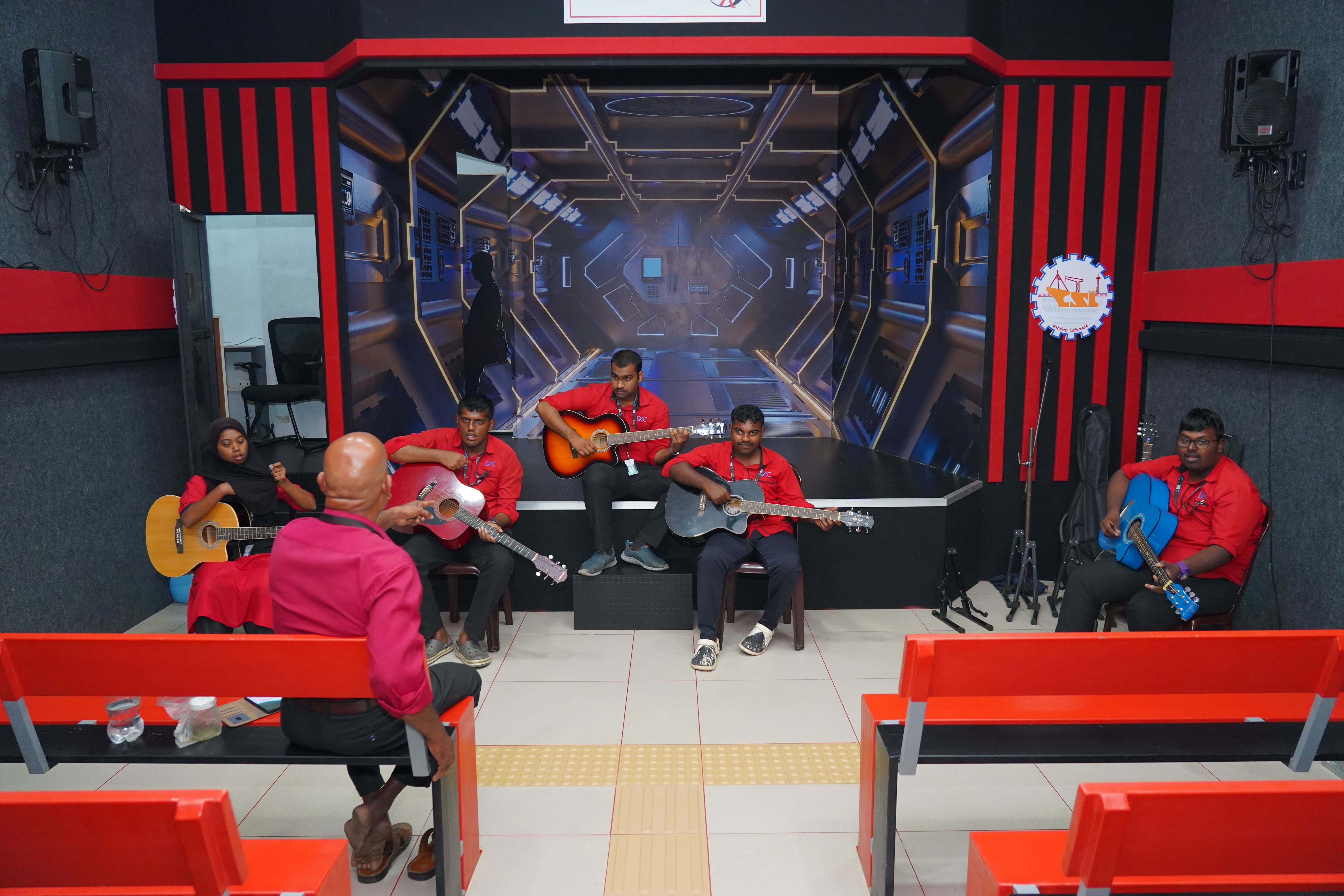
The Different Art Centre (DAC) is excited to announce the launch of its evening performing arts classes, thoughtfully designed for differently abled children aged 6 to 16 years. These classes aim to create an inclusive and creative environment that nurtures self-expression, confidence, and holistic development.
READ MORE